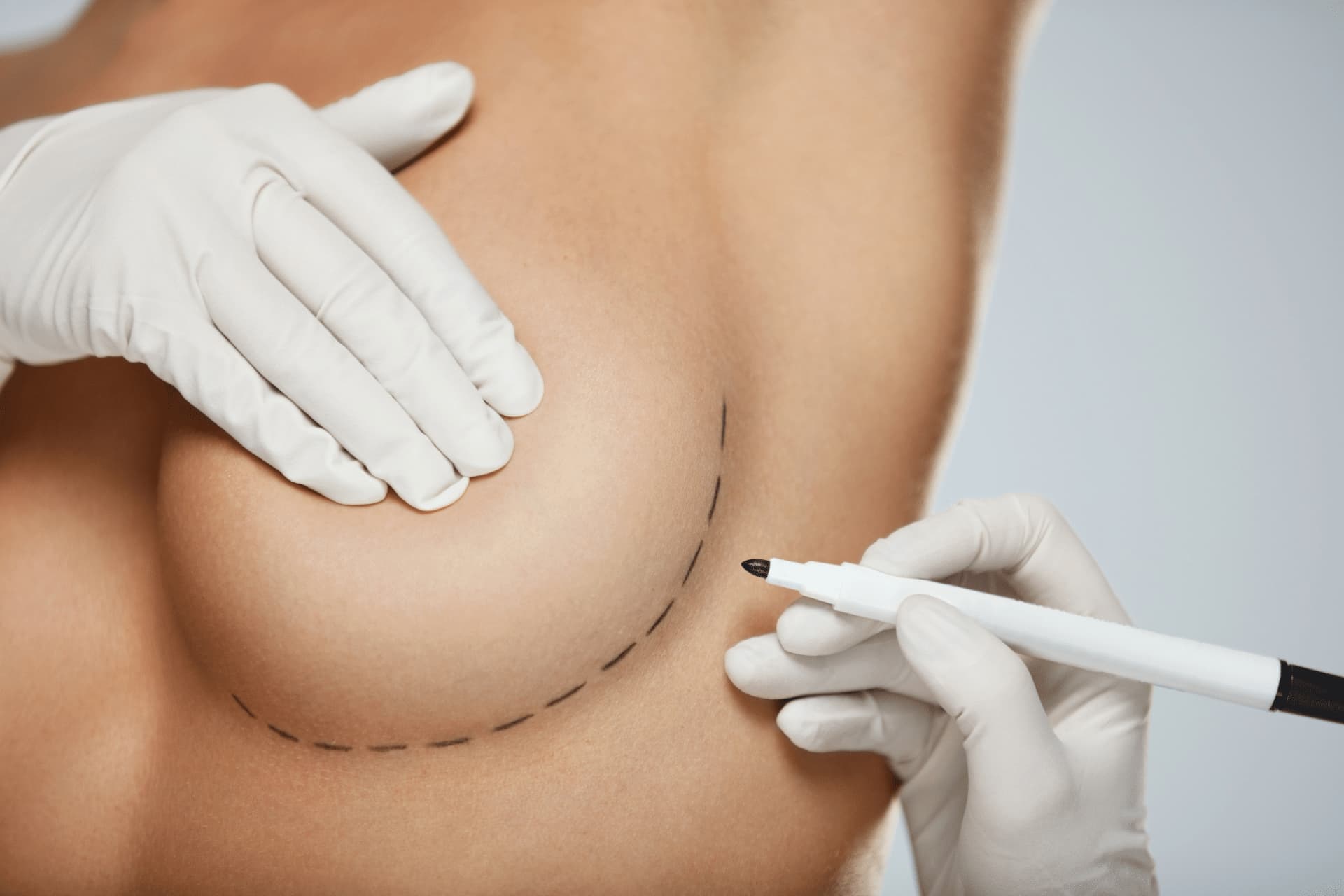
Breasts that are too large or disproportionate to the body can have a significant impact on quality of life. Everyday activities can become uncomfortable, movement may feel restricted, and ongoing pain can affect both physical and emotional wellbeing.
Breast reduction, one of the more commong types of breast surgery, can provide lasting relief for women living with the challenges of overly large breasts.
Start Your Journey TodayWhat Is Breast Reduction Surgery?
During breast reduction surgery, excess breast tissue, fat and skin are removed to reduce the size and weight of the breasts.
The procedure not only relieves physical discomfort but also creates a more balanced shape and proportion.
Why Get a Breast Reduction?
Large breasts can contribute to chronic neck, shoulder and back pain, skin irritation beneath the breasts, and even nerve-related discomfort. For many women, breast reduction is the most effective way to relieve these symptoms.
The benefits extend beyond physical comfort, by improving overall quality of life. Many women find they can move more comfortably, enjoy day-to-day activities, exercise more easily, actually enjoy shopping for bras and clothing, and feel more confident in their bodies.
Over time, larger breasts tend to lose shape and fullness. Breast reduction can restore a more balanced, and lifted appearance.
Book a consultationWho Can Get a Breast Reduction?
As with any surgery, good overall health is important:
- You are close to a healthy, stable weight.
- You do not smoke or are willing to stop before surgery.
- You understand and accept that scarring is part of the procedure.
- You do not suffer from diabetes or heart problems.
Breast reduction is generally recommended once breast development is complete. Younger women whose breasts are still developing may be advised to wait before considering surgery.
Find out if you’re a candidateHow Is the Breast Reduction Procedure Performed?
There are several techniques that can be used during a breast reduction procedure, depending on your anatomy and the desired outcome. During your consultation, Dr. Padilha will recommend the most appropriate approach for you.
In general, the procedure follows these steps:
- You will be placed under general anaesthesia.
- Incisions are made around the areola and make a straight cut from below the areola to the fold below the breast.
- Excess breast tissue, fat, and skin are carefully removed to reduce the size and weight of the breasts.
- The remaining breast tissue is reshaped to create a smaller, more balanced breast contour.
- The nipple and areola are repositioned to suit the new breast shape. Depending on the extent of the reduction, they may remain attached to their existing blood supply or, in more complex cases, need to be repositioned as part of the procedure.
Every breast reduction is tailored to the individual, with the surgical technique chosen to achieve the safest outcome and the most natural-looking result.
How Long is The Recovery from Breast Reduction Surgery?
Recovery varies from person to person, but following your surgeon’s aftercare instructions is essential to achieving the best outcome.
For the first two to four weeks, avoid lifting heavy objects or strenuous activity. Most patients notice a significant reduction in discomfort after the first week, although swelling and bruising can take several weeks to settle.
As healing progresses, the breasts gradually soften into their final shape. Your surgeon may recommend wearing a supportive surgical bra during recovery, while underwire bras should generally be avoided for four to six months.
What are the Risks of Breast Reduction Surgery?
Like any surgery, breast reduction surgery comes with its own risks and potential side effects:
- Scarring around the areola, down the breast and along the breast crease (anchor scar).
- Temporary or permanent changes in nipple or breast sensation.
- Minor differences in breast shape or symmetry as every patient heals differently.
More serious complications are uncommon, but may include:
- Bleeding
- Skin loss
- Persistent pain
- Pulmonary complications
- Fat necrosis, where areas of fatty tissue lose their blood supply and become damaged
Choosing a suitably qualified and experienced plastic surgeon is essential for reducing risk and managing any complications appropriately.
Women who are planning to have children should also be aware that breast reduction may affect their ability to breastfeed. In some cases, breastfeeding may still be possible, while in others it may be limited or not possible at all. This should be discussed carefully during your consultation.
So, Should You Have a Breast Reduction?
If chronic pain, restricted movement, or the size of your breasts is affecting your quality of life, breast reduction may be worth considering.
The first step is a consultation. Together with Dr. Padilha, you’ll discuss your symptoms, your goals, and whether breast reduction is the right option for you.
Every journey begins with understanding your options. Contact Dr. Padilha to arrange a comprehensive assessment and personalised recommendations.
Start Your Journey Today
Dr Filipe Padilha
Thoughtful, human-centred plastic surgery designed to restore balance, confidence, and natural beauty.
Dr. Filipe Padilha believes that plastic surgery is as much about care and confidence as it is about technical excellence. With a calm, human-centred approach, he combines surgical precision with artistic understanding to achieve natural, balanced results.
Start Your Journey Today